
Printing Your Images
I have also discussed this topic in a video. As a photographer, printing your own work is extremely important. A major part of the creative process involves selecting your own images—"engaging with your own photos" in order to grow, and recognizing your own mistakes. It means holding onto your best work while continuing to improve. Anyone who fails to look at their own work—and engage with it critically—will not evolve as an artist. Categorizing photos in digital folders is a great practice. However, it is even better to hold the actual prints in your hands—to see them hanging on a wall. That experience does something to you; it is a completely different sensation than simply viewing images "only digitally."
My First Experiences with the Q2 Monochrom
This camera does not disappoint. It is small and handy. Without a thumb grip, I actually prefer carrying it on a strap around my neck. The M-style body and the thumb rest simply feel good in the hand. Up front—where a rangefinder window would typically be—there is a minimalist expanse of open space. The Summilux lens produces groundbreaking images that are incredibly sharp. Focusing via focus peaking—combined with the zoom function that utilizes a small magnified crop—makes this possible.
A Photowalk in Berlin: Exploring the Brutalist Beauty of Borsigturm
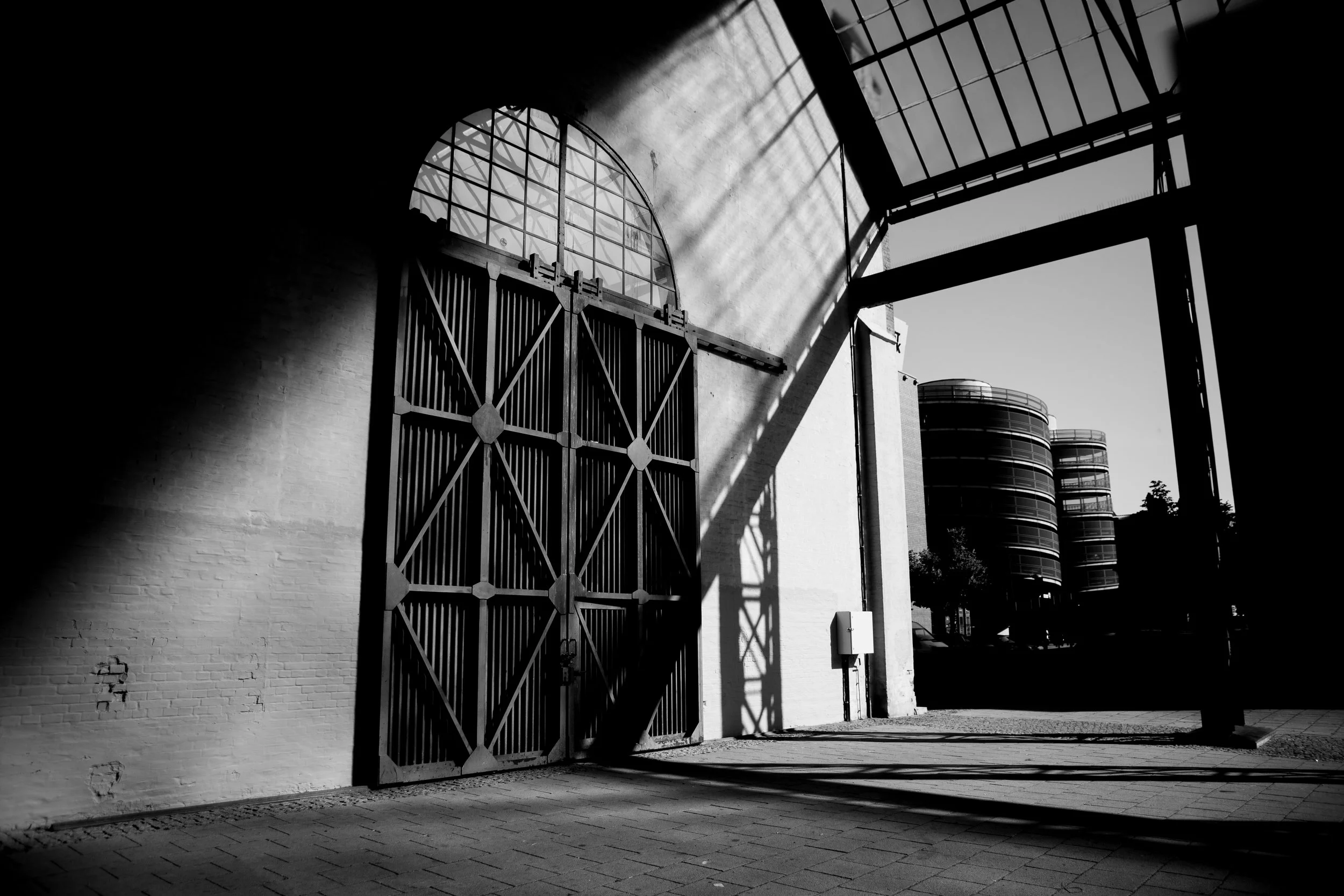
Berlin is a city where history and modernity intertwine, offering a rich playground for architectural photography. Recently, I embarked on a photowalk near Borsigturm, a district renowned for its striking industrial and brutalist architecture. As a photographer based in Berlin, I have always been fascinated by the way concrete structures interact with light and shadow, forming abstract patterns that transcend their utilitarian origins.
Haves and Wants
Being content with what you have. Nowadays, we forget far too quickly that the things we currently possess are the very things we wanted before we actually had them. Capitalism. The desire to "always have the latest thing." I noticed this phenomenon quite strongly with my Leica Q2 Monochrom.
"Q Experience"
The "Leica Q Experience." I never would have thought it. I used to place the "Rangefinder Experience" on the highest pedestal. But, as is often the case in life, personal experience reveals what truly matters to you. And this instance is no exception.
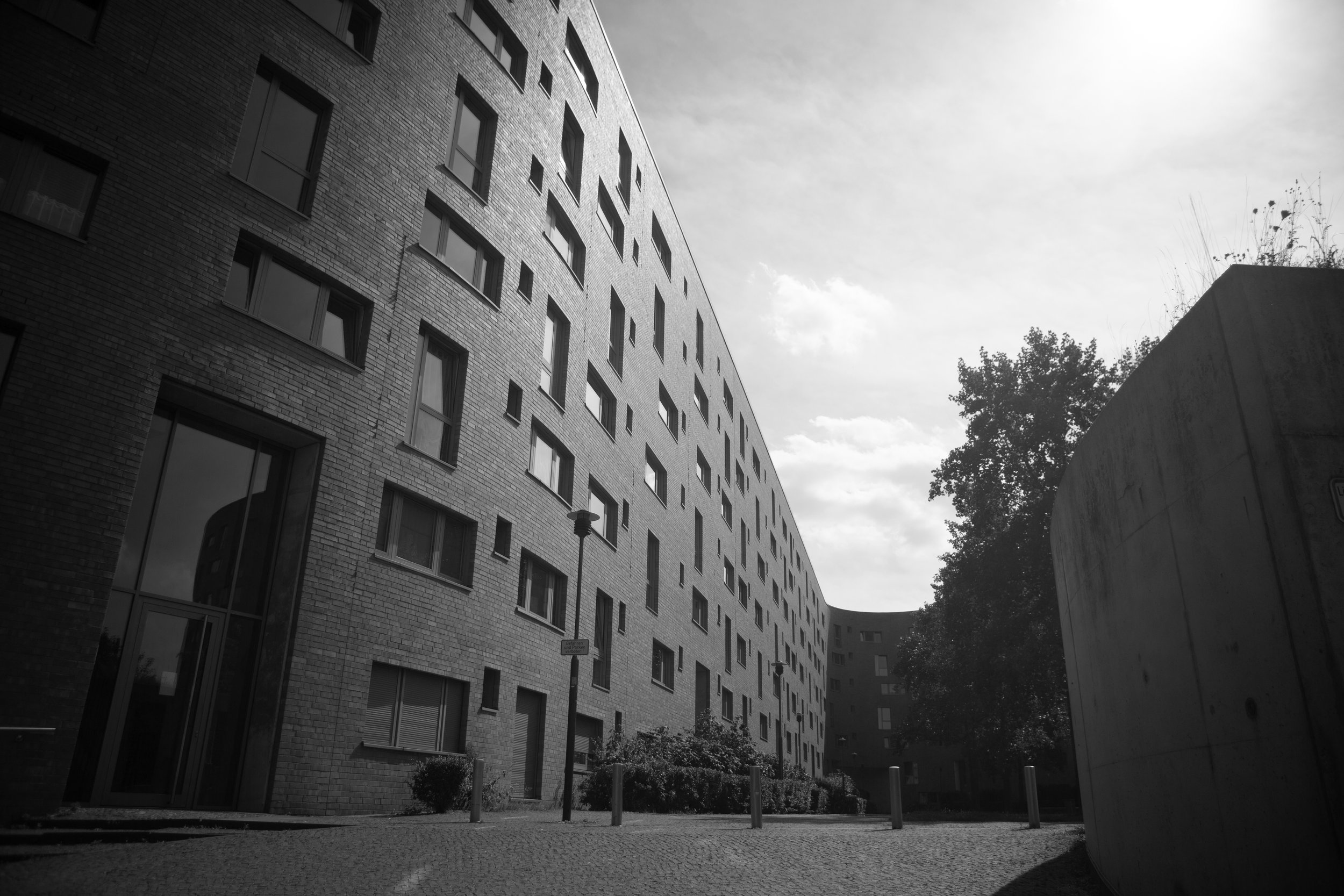
A Photographic Stroll Through Spree-Bellevue: Berlin in Monochrome
Berlin is a city where history and modernity collide in striking architectural forms, offering endless inspiration for those with a discerning eye. On a recent photowalk through Spree-Bellevue, I explored the interplay of light, shadow, and structure, capturing the essence of Berlin’s contemporary and brutalist architecture in black and white.
Q2's Exposure Compensation Wheel
The Leica Q2 Exposure Wheel is located on the top right side of the camera body. This feature alone makes the Q2M even more intriguing than it already is. The Exposure Compensation dial allows you to instantly adjust the image's exposure—whether you want the shot to be brighter or darker. It is a useful feature, yet one that comes with its own pitfalls.
Camera Accessories
A small topic is camera accessories. There's a lot available. But you don't really need a lot of it. Some things are just sexy or simply trendy right now.
Like the ThumbGrip, for example. At first, I just thought, "Wow, that looks professional," when I saw the first photographer using one. A little later, I had my first ThumbGrip on my X-T2 and my current backup camera, the X-Pro 2. And the ThumbGrip actually does make sense. You simply have a better grip. Do you need it? Not with Fujis. Maybe more so with a Leica M. But overall, you don't really need a ThumbGrip.
AF and Auto Modes
Autofocus. I have to admit, as a beginner, this was very important to me. Simply aim, press the AF button, and then maybe make some minor adjustments to the composition. I especially enjoyed doing this in the beginning with my Canon 5D Mark III. Which isn't a bad thing. After all, everyone has to start somewhere, and you learn by doing. And if the 5D comes into use again from time to time, then I also use the AF on this DSLR.
Exploring Berlin’s Teufelsberg: A Monochrome Architectural Journey
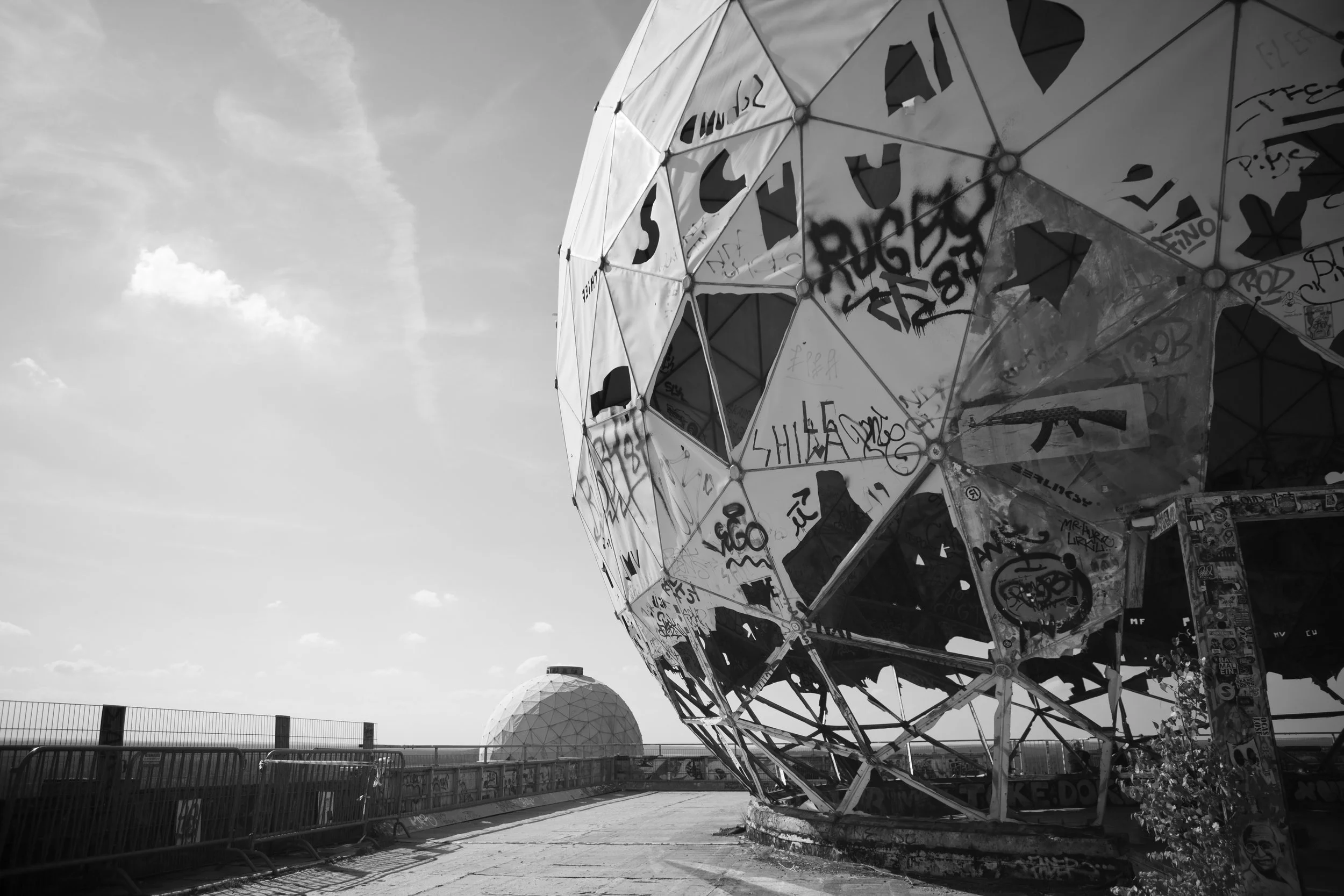
Berlin, a city where history and modernity intertwine, offers endless inspiration for architectural photography. On a recent photographic walk, Sebastian H. R., the Berlin-based photographer behind the artistic project monochrome EDGE, explored the haunting and extraordinary landscape of Teufelsberg. Known for its striking Cold War-era structures and raw, brutalist architecture, Teufelsberg provides a unique canvas for monochrome architecture photography.
Aperture Value - My Experiences
Unlike with focal lengths, I can't contribute much here.
Many say f/1.4 is among the best aperture values. I personally wonder why. Have those who claim this ever taken many photos at f/1.4? I've taken many pictures at f/1.4 and can say for myself that the value is too high. Yes, the blur, the bokeh from Japanese photography, can look good. But you have to use it subtly. What's the point of having the model in focus in a street shoot, for example, but not being able to see the background? The same applies to product photography. What good are the pictures if the product and those further back aren't in focus?
Focal Lengths - My Experiences
As a beginner, you don't really ask yourself this question yet: Which are the right focal lengths? I remember when I started with photography and used a well-recommended zoom lens: a 24-70mm equivalent in 35mm format (35x24mm).
Leica M-EV1 - Low-Maintenance M Camera
Do we have the M that doesn't need maintenance here? There's no rangefinder. You have to do without the classic M focusing via the rangefinder. Focusing is done here, as with the Q, via focus peaking and the digital magnifier. And let's not forget zone focusing. If that's enough for you, you can continue using your collection of M lenses with this M without having to worry about whether the physical rangefinder will ever need servicing.
"How" to Photograph
Can you only photograph with an M-D like you would with a film camera? Is the M-D the only true way? I think not. You have to ask yourself, "How do you like to photograph?" Yes, I used to enjoy taking photos with my X-T2 and its back LCD, holding the camera freely away from my body. And before I knew what zone focusing was, I even used autofocus. But today I like to take my time. I just want to take "a clean picture." No spray and pray. You change as a photographer. And I don't need an M-D to photograph in "my style."
Exploring Berlin’s Brutalist Charm: A Photowalk at Walter-Benjamin-Platz
Berlin is a city where history and modernity intersect in a striking urban tapestry, and few locations capture this blend as profoundly as Walter-Benjamin-Platz. Recently, I embarked on a photowalk through this iconic square, exploring its raw architectural forms and translating them into monochrome abstractions.
Leica Q2 Monochrom
Royal Class "M" system. The measuring probe, a physical component. Very precise, and it works. I stand by what I've already written about the M-System. It's the top of the line. But. The M-System has several aspects that I find negative.
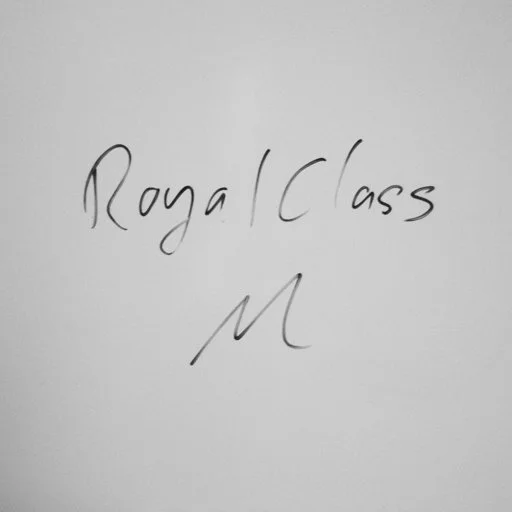
Royal Class “M”
In my opinion (in digital photography), nothing comes closer to the feel of old (analog) photography than the Leica M with its optical viewfinder. There's just something about the rangefinder. It's simply fun to photograph using the prism principle. You look through "glass" and orient yourself using the focal length lines.
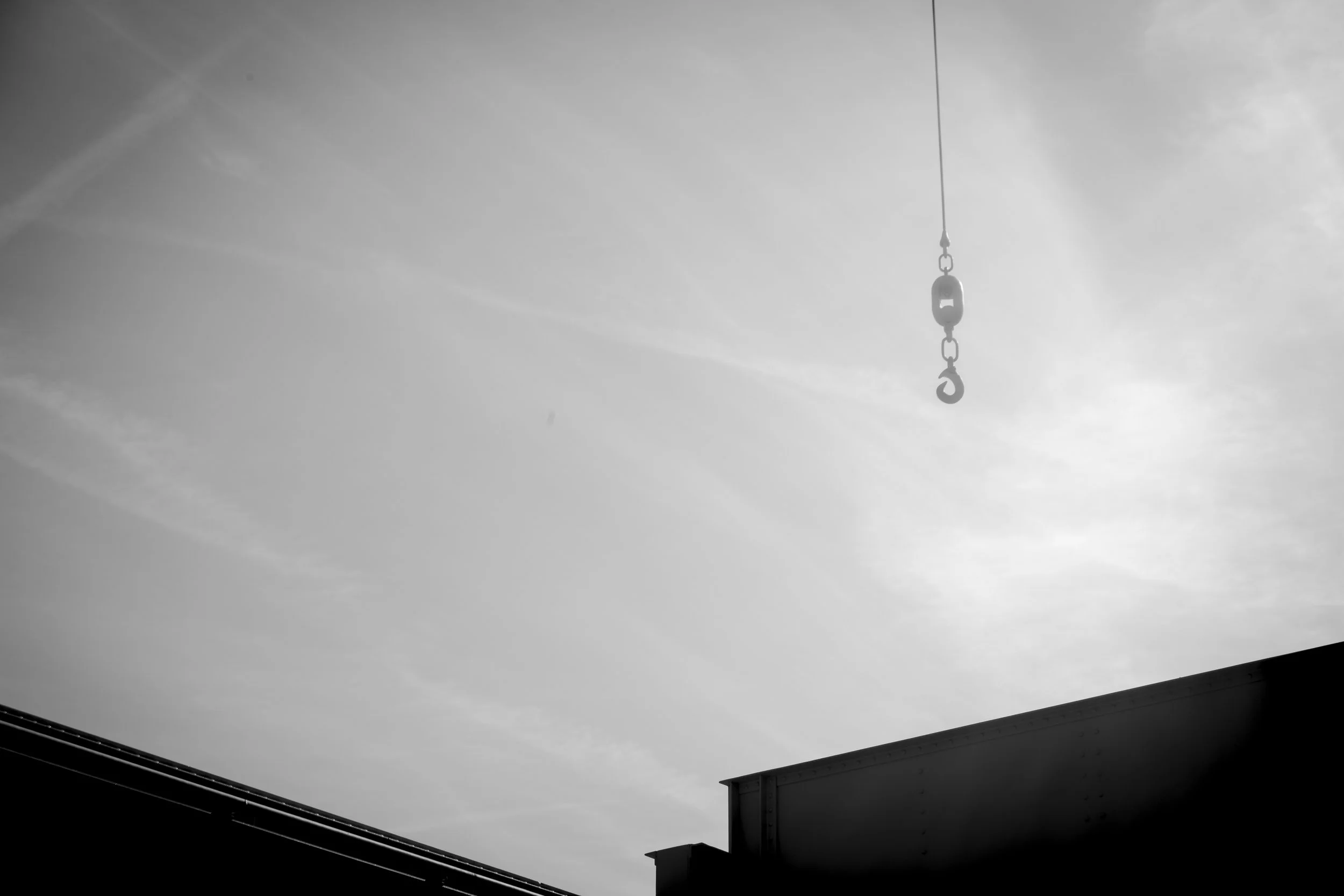
Exploring the Industrial Aesthetics of Berlin’s Behala Westhafen
Berlin is a city where history, industry, and modernity converge in striking visual narratives. On a recent photowalk at Behala Westhafen, Sebastian H. R., the Berlin-based photographer behind the artistic project monochrome EDGE, explored the industrial landscape of the site, capturing the raw, minimalist beauty of its structures.
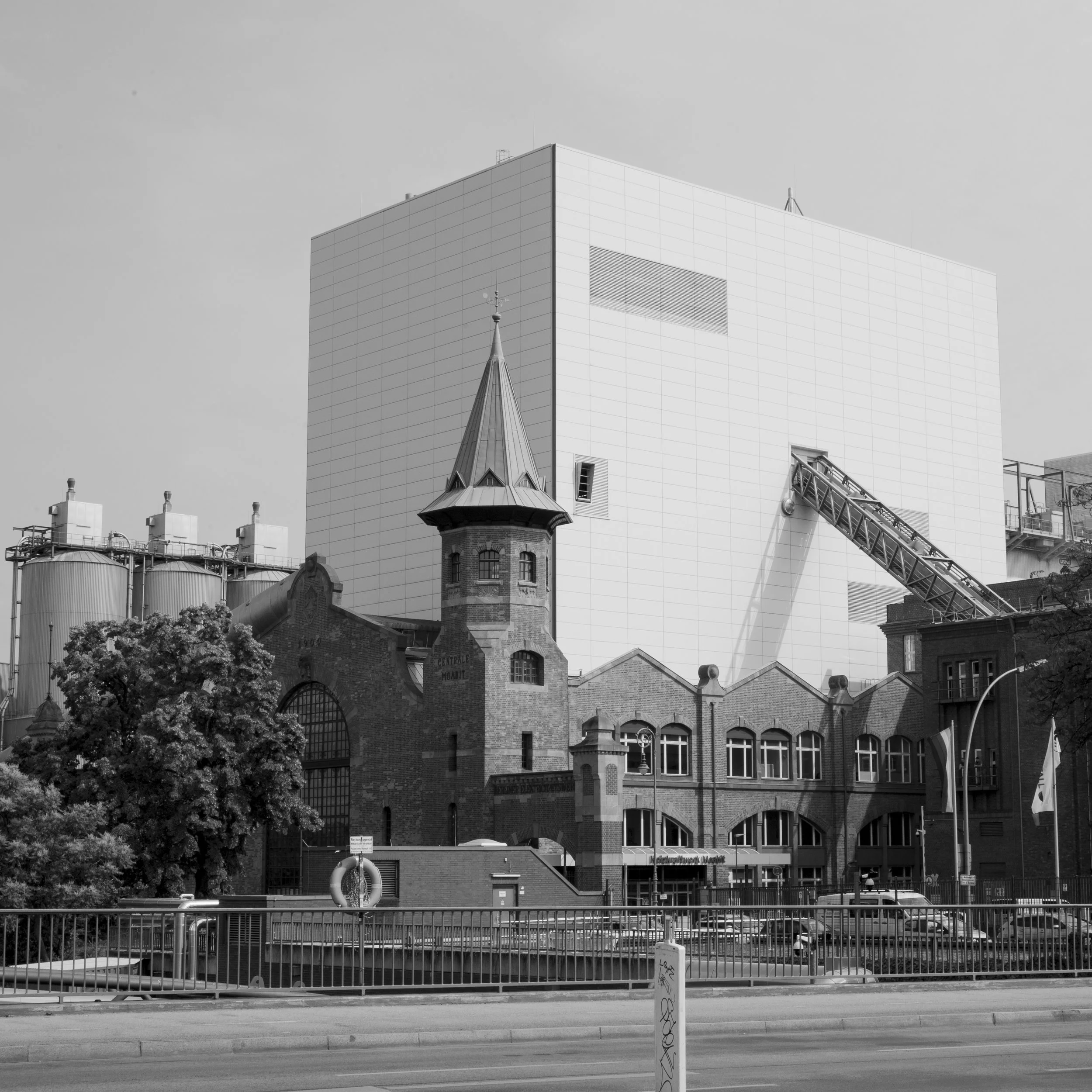
Exploring Berlin’s Industrial Edges: A Photowalk at Behala Westhafen
Berlin is a city where history and modernity collide, offering an endless playground for those passionate about architectural photography. On a recent photowalk, Sebastian H. R., the Berlin-based photographer behind the artist project and online platform monochrome EDGE, ventured to the industrial surroundings of Behala Westhafen. Importantly, all images were captured outside the operational areas, ensuring both safety and respect for the site’s functioning.
Brand servants
Today, when my Leica M8 broke down, something dawned on me. I immediately thought, "Oh God, now I'm not enjoying photography anymore. If the image metadata doesn't say Leica, I'm miserable."